
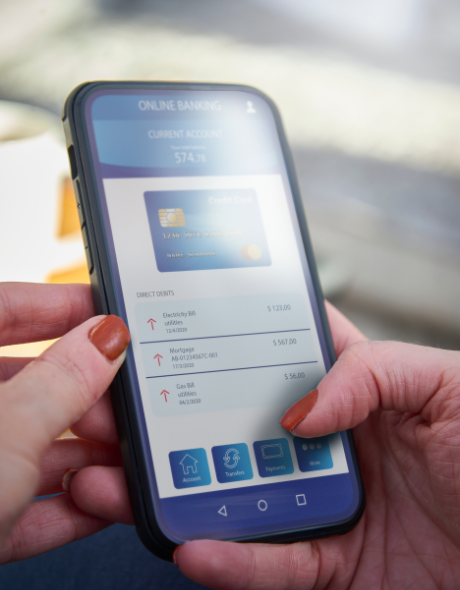
When it comes to opening a certificate of deposit (CD), consumers today have more choices than ever. From big brand banks and neighborhood credit unions to online-only institutions, each option offers unique advantages and a few trade-offs. If you’re hesitant about opening an account online, rest assured, as there are ways to safeguard your transaction.
Below, we’ll break down the pros and cons of each to help you make an informed decision with confidence.
Pros of Online Banks
1. Higher Interest Rates (Sometimes):
Online banks tend to offer more competitive interest rates on savings accounts and CDs. Without the overhead costs of physical branches, these banks can pass on greater returns to customers.
2. Convenience and 24/7 Access:
With mobile apps and user-friendly websites, online banks make it easy to manage your money anytime, anywhere. You can open accounts, deposit checks, and transfer funds without setting foot in a branch.
3. Fewer Fees:
Online banks often boast lower fees—no monthly maintenance charges, no minimum balance requirements, and fewer ATM fees, especially if they reimburse out-of-network charges.
Cons of Online Banks
1. No In-Person Support:
Sometimes, it is helpful to speak with a representative face-to-face, especially during complex transactions or disputes. Online banks typically offer phone or chat support, but there’s typically no option to walk into a branch for help. Savers who find automated support hard to use may find their customer service experience frustrating, especially if accustomed to personalized service from a longtime banker.
2. Cash Deposit Limitations:
Depositing cash into an online account isn’t always easy. While some offer workarounds like using partner ATMs or retail stores, it’s not as seamless as handing cash to a teller.
3. Tech Reliance:
If your internet goes down or the bank’s app crashes, access to your account can be temporarily compromised. These are rare occurrences but would be frustrating nonetheless, as you can’t drive down to the local branch and troubleshoot in person.
Pros of Traditional Banks and Credit Unions
1. Personal Service:
Local branches provide the comfort of in-person assistance. If you value face-to-face interactions, brick-and-mortar banks and credit unions can offer a more personal touch.
2. Access to Full Financial Services:
Many traditional institutions bundle services like mortgages, business loans, and investment advice under one roof, making them convenient for long-term financial relationships.
3. Easier Cash Management:
Depositing and withdrawing cash is straightforward. You can also get official checks, wire transfers, and notary services on the spot.
Cons of Traditional Banks and Credit Unions
1. Lower Interest Rates on CDs and Savings (Sometimes):
With so many factors influencing the interest rates on CDs and savings accounts, it’s hard to make a unilateral statement about where to find the highest rates. It’s best to use tools like CD Valet to shop and compare rates from both online and traditional banks to find who is offering the best rate and term to help you meet your financial goals.
2. Higher Fees:
Traditional banks can charge more fees—monthly account maintenance, overdraft charges, and minimum balance requirements can eat into your account balances if you are not careful.
3. Limited Hours and Locations:
Branch hours are usually restricted to the old school hours of 9-5, which may not fit everyone’s schedule, although many more are now open for limited hours on Saturdays. Smaller credit unions and banks may also have fewer branches or ATMs.
Which Should You Choose?
The right choice depends on your priorities. If maximizing interest and minimizing fees are your goals, an online bank merits consideration. But if personalized service and ease of handling cash are important, a brick-and-mortar bank or credit union might be worth the trade-off.